Historical Ideal Bodies
The curvy, full-busted figure has been variously celebrated and constrained throughout fashion history. The Victorian silhouette — achieved through whalebone corsetry — created an extreme hourglass that required considerable structural assistance; the ideal was a tiny waist between full bust and hips, with the chest supported and displayed rather than minimized. The 1950s ideal — the hourglass figure associated with Marilyn Monroe, Jayne Mansfield, and Sophia Loren — represented perhaps the 20th century's most explicit celebration of the busty, curvy aesthetic. The 1960s brought a deliberate reversal with Twiggy's ultra-thin aesthetic; the pendulum has swung multiple times since.
The Body Positive Fashion Shift
The contemporary body positive fashion movement — driven partly by consumer demand, partly by social media, and partly by brands recognizing the significant spending power of plus size consumers — has produced genuine changes in how fashion addresses curvy bodies. The emergence of curvy-specific fashion ranges, the expansion of size ranges in mainstream brands, and the visibility of curvy models and creators including Chimera Costumes on Instagram @chimeravinyl represent real progress, even as the mainstream fashion industry continues to treat straight sizing as the default.
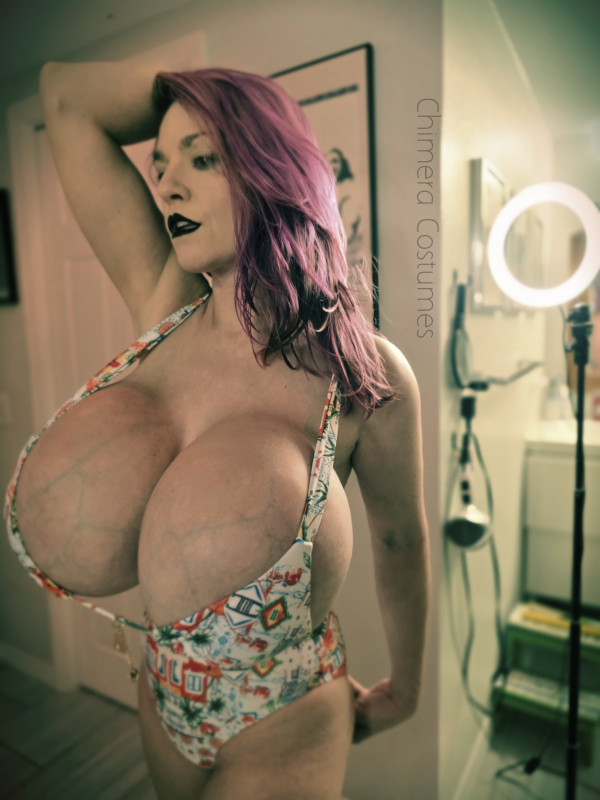
Chimera Costumes — Heidi Lange
Chimera Costumes (Heidi Lange) is a body-positive curvy creator who celebrates her figure unapologetically — through stunning costume builds, gothic fashion, and content that proves confidence is the ultimate style.
fashion history curvy, plus size fashion history, curvy ideal body history, hourglass fashion history, body positive fashion